







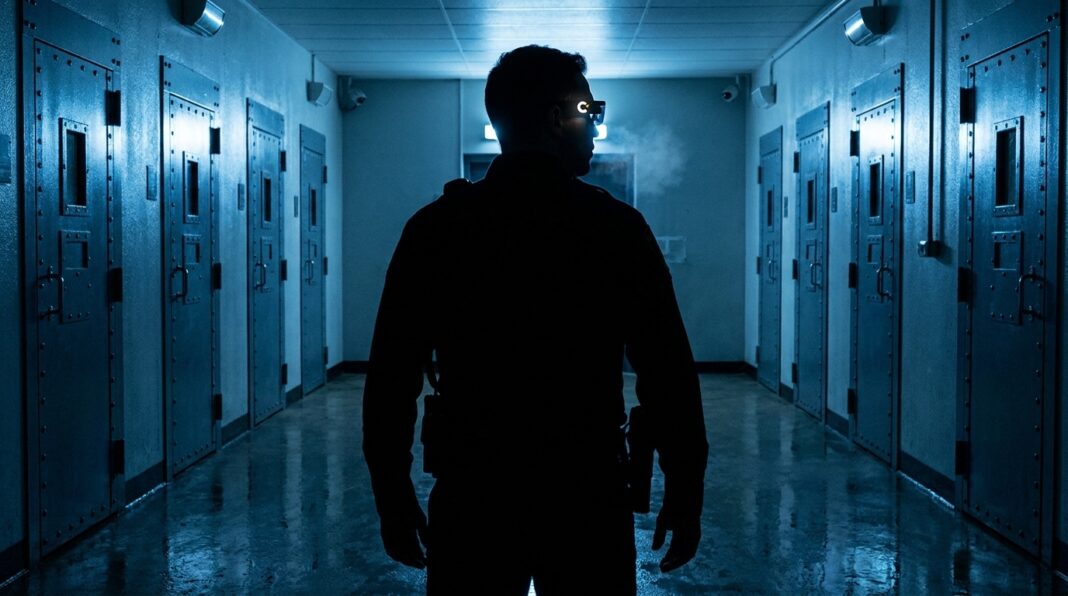

US police and security agencies have raised concerns about surveillance risks posed by Meta’s Ray‑Ban smart glasses. A dozen previously unreported memos describe the camera‑equipped devices as a ‘security and counterintelligence’ threat, including a January memo circulated by the NYPD counterterrorism bureau and a June memo from Maine that noted some glasses can leverage AI software, including facial recognition. An August memo from Immigration and Customs Enforcement told staff that smart glasses qualify as body‑worn cameras and cannot be worn in the federal workspace.
Memos obtained under freedom of information laws describe Meta Ray‑Ban smart glasses as a ‘security and counterintelligence’ threat. The documents include a dozen previously unreported memos and originate from the Department of Homeland Security’s joint counterterrorism assessment team and fusion centers in New York, Maine, Virginia, Tennessee and San Diego. The NYPD counterterrorism bureau circulated the first memo in January. The memos frame the devices as capable of gathering information relevant to security planning such as cell layouts, camera placements, or officer patrol/site protection routines.
They describe risks of covert filming inside jails and police facilities, noting that the devices could be used to record inside jails and police facilities and citing a TikTok video from July 2025 that shows the inside of a South Carolina detention center. The memos note that the glasses’ recording light can indicate filming but that the South Carolina video suggests the light does not always reveal filming. Several memos warn some glasses can leverage AI software including facial recognition, and they raise the prospect of plans to add facial recognition. The documents also warn the devices can ‘unintentionally capture, record or transmit sensitive information’ and raise concerns including the doxing of officers and contractors reviewing intimate footage.
The memos present the devices as raising privacy and security concerns for law enforcement environments. They emphasize operational vulnerabilities and data‑capture risks identified by multiple security and fusion center documents.
A July 2025 TikTok video shows the inside of a South Carolina detention center filmed with Meta Ray‑Ban smart glasses. The video is cited in memos and raises questions about whether the glasses’ blinking light reliably indicates recording. Meta has said the glasses are designed to be noticed, while the South Carolina video suggests the light does not always reveal when filming is taking place. Public evidence thus contains both an instance of interior filming and conflicting observations about the device’s visible recording indicator.
Memos and reporting note broader company challenges over covert filming of women, contractors reviewing intimate footage, and proposals to add facial recognition to the devices. The documents warn that the devices could be used to record inside jails and police facilities and that they can ‘unintentionally capture, record or transmit sensitive information.’ The company has faced objections from multiple directions during the year related to these privacy and surveillance concerns. Those public examples and the cited memos form the evidentiary basis for the security assessments in law enforcement documents.
Multiple law-enforcement and security memos have flagged Meta Ray‑Ban smart glasses as a ‘security and counterintelligence’ threat, citing risks such as covert filming inside jails and police facilities and the devices’ capacity to ‘unintentionally capture, record or transmit sensitive information.’ The documents also note the potential use of AI features including facial recognition, operational vulnerabilities such as revealing cell layouts, camera placements or officer patrol routines, and public examples of interior filming. These concerns have been raised across federal and local agencies and by critics who questioned the balance of surveillance and privacy, framing the debate as a tension between operational security and individual privacy protections.