








Poolin, a bitcoin mining pool, filed for Chapter 11 bankruptcy protection in New Jersey on July 22, listing debts of approximately $173 million and estimating total liabilities in a range between $100 million and $500 million. Those amounts are listed in the court filing that accompanies the Chapter 11 petition. In 2019, Poolin controlled roughly 18–20% of Bitcoin’s global hashrate.
Starting in 2022, Poolin encountered significant liquidity problems that affected its operations and customer trust. The company faced withdrawal delays reported on its Telegram channels in late 2022, signaling underlying financial stress. In response to these issues, Poolin Wallet suspended withdrawals in September 2022, a move that further alarmed its users.
To mitigate the situation, the company issued approximately $163.7 million in IOU tokens to about 11,700 customers, aiming to compensate them temporarily. Despite acknowledging the liquidity problems, co-founder Kevin Pan assured users that their funds were safe.
However, Poolin’s operational difficulties were compounded by its hashrate share effectively reaching zero in recent years, highlighting a significant decline from its previous dominance in the Bitcoin mining industry.
Poolin filed for Chapter 11 bankruptcy protection in New Jersey on July 22. The company listed debts of around $173 million in the filing. The petition estimated total liabilities in a range between $100 million and $500 million. Those amounts were reported as part of the Chapter 11 filing.
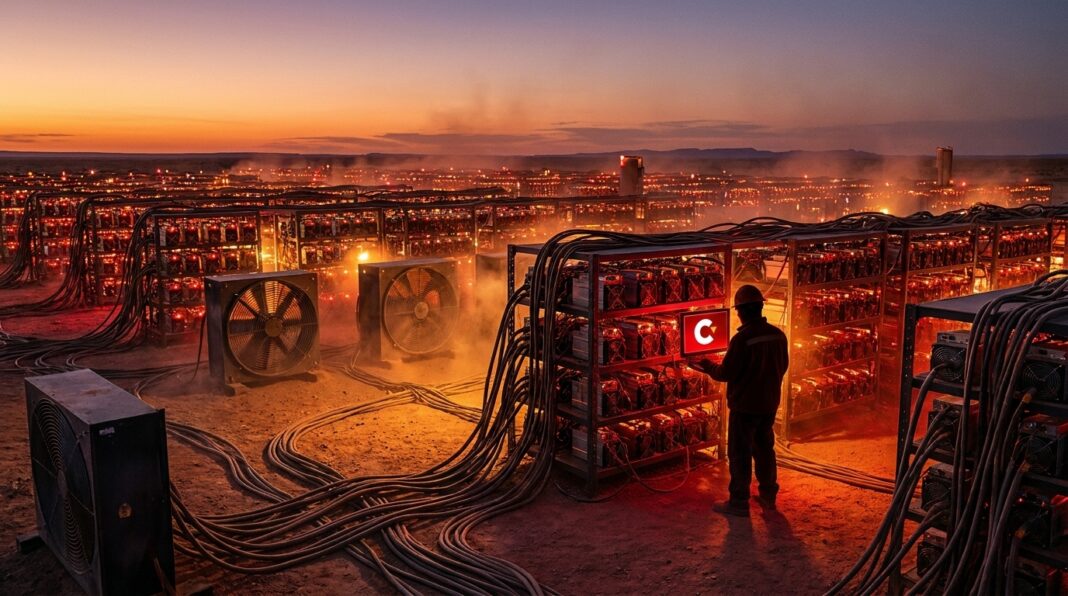
Thor CALAP LLC has placed a $52 million bid for two Poolin mining sites located in West Texas. The two U.S. affiliates named in connection with Poolin are Lonestar Dream and Lonestar Taproot. Poolin did not respond to CoinDesk’s request for comment.
The Chapter 11 petition, the reported debt and liability estimates, and the $52 million asset bid are the primary items disclosed in recent filings and reports. Poolin did not provide a comment to CoinDesk. The company’s U.S. affiliates are listed as Lonestar Dream and Lonestar Taproot.
Poolin’s bankruptcy filing formalized its status and recorded substantial debts along with a wide range of estimated liabilities as disclosed in court filings. Those financial difficulties followed liquidity problems that included reported withdrawal delays on its Telegram channels, suspension of Poolin Wallet withdrawals and the issuance of IOU tokens to customers, and there have been bids to purchase its mining-site assets.