







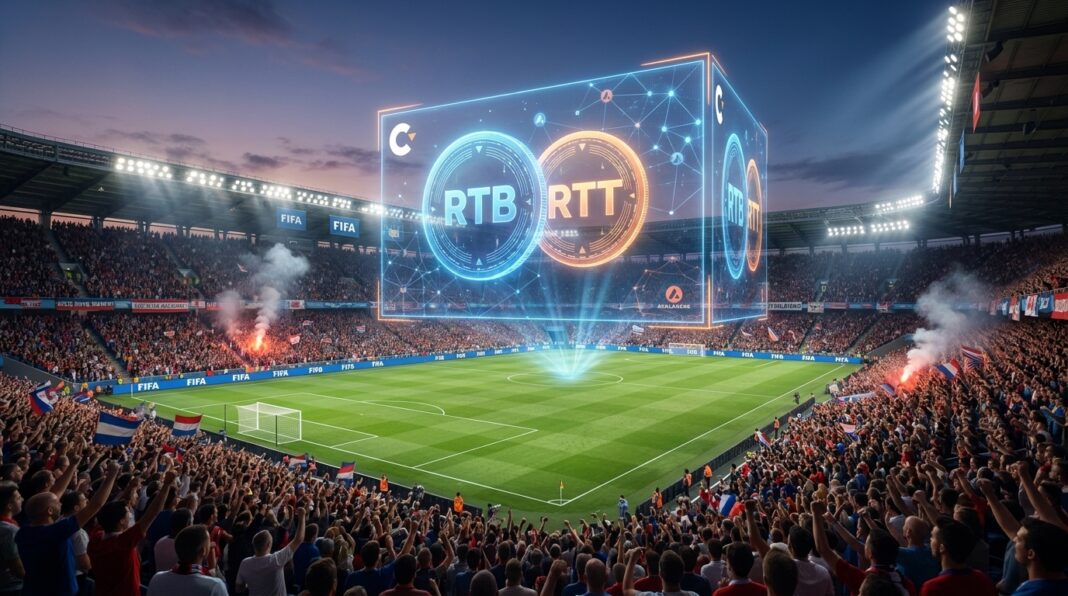

FIFA is deploying the Avalanche blockchain through a new FIFA Collect ticketing model for the 2026 FIFA World Cup in North America. The system uses a customizable Avalanche layer‑1 blockchain known as the FIFA blockchain and integrates Modex to implement two entitlement elements, Right‑to‑Buy (RTB) and Right‑to‑Ticket (RTT), for designated tickets, and can also be traded on secondary markets at market value. The model aims to address issues such as bots, ticket fraud and runaway secondary‑market scalping by moving resale activity into FIFA’s ecosystem rather than through traditional third‑party marketplaces.
FIFA Collect is a ticketing system that uses the Avalanche network and Modex and is built on a customizable Avalanche Layer-1 blockchain known as the FIFA blockchain. The system powers a ticketing model that features two entitlement elements, Right-to-Buy (RTB) and Right-to-Ticket (RTT), for a designated number of tickets. An RTB is a digital entitlement that gives fans priority access to purchase a specific ticket before it becomes public, and RTBs can be acquired through FIFA Collect and traded on secondary markets at market value. Once redeemed, an RTB converts into an RTT, which can be used to purchase an official match ticket through FIFA’s existing ticketing infrastructure.
The model is intended to address bots, ticket fraud and runaway secondary-market prices by moving resale activity into FIFA’s ecosystem rather than through traditional third-party marketplaces. The customizable FIFA blockchain, as a Layer-1 implementation on Avalanche, provides the underlying platform for implementing digital entitlements and for integrating Modex to operate the system. By combining blockchain-based entitlements with FIFA’s ticketing infrastructure, FIFA Collect changes where resale activity takes place and seeks to bring secondary-market transactions into FIFA’s controlled environment.
FIFA’s ticketing model for designated match allocations uses two defined digital entitlements: Right‑to‑Buy (RTB) and Right‑to‑Ticket (RTT). An RTB is a digital entitlement that gives fans priority access to purchase a specific ticket before it becomes available to the general public; RTBs can be acquired through FIFA Collect and may be traded on secondary markets at market value. Once an RTB is redeemed, it converts into an RTT, which can then be used to purchase an official match ticket through FIFA’s existing ticketing infrastructure. The system applies these entitlements to a designated number of tickets to manage initial access and subsequent conversion.
Trading RTBs on secondary markets shifts resale activity to instruments tied to official tickets rather than immediate ticket listings. Under the model, secondary-market transactions occur around RTBs at market value and redemption into RTTs is required to obtain the physical or digital match ticket via FIFA’s channels. The approach is intended to move resale activity into FIFA’s ecosystem and away from traditional third‑party marketplaces such as StubHub, SeatGeek and Vivid Seats. By structuring resale around entitlements and controlled redemption, FIFA Collect changes where and how secondary sales take place.
The model is intended to address bots, ticket fraud and runaway secondary‑market prices. It aims to bring secondary-market transactions into FIFA’s controlled environment.
FIFA is addressing significant challenges in ticket sales associated with bots and scalpers by deploying a new Right-to-Buy (RTB) model powered by Avalanche blockchain technology. This problem parallels the “Taylor Swift problem,” where a concert is announced, and a huge influx of bot-driven purchases occurs, leading to inflated secondary market sales. By implementing the RTB model, FIFA shifts the landscape of secondary market transactions.
The introduction of digital entitlements through RTB aims to prevent exploitative practices by moving resale activities within FIFA’s controlled ecosystem. This approach seeks to curtail the influence of third-party platforms such as StubHub, SeatGeek, and Vivid Seats by providing a more regulated and transparent environment for fans to acquire tickets.
FIFA is deploying the FIFA Collect ticketing system for the 2026 World Cup in North America, built on a customizable Avalanche Layer‑1 blockchain known as the FIFA blockchain and powered by Modex. The system implements two digital entitlements—Right‑to‑Buy (RTB) and Right‑to‑Ticket (RTT)—where RTBs provide priority access to purchase designated tickets before public sale and convert into RTTs upon redemption for purchase through FIFA’s existing ticketing infrastructure. The model is intended to address bots, ticket fraud and runaway secondary‑market prices by moving resale activity into FIFA’s ecosystem rather than through traditional third‑party resale marketplaces.