







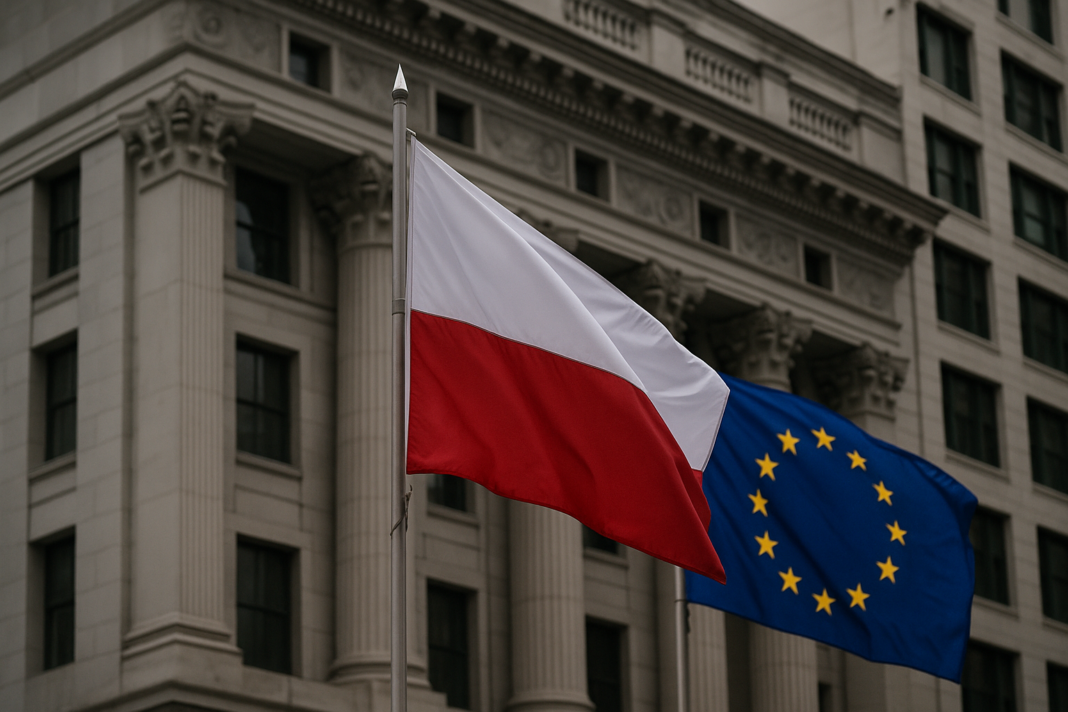

Poland has become the only European Union member state yet to adopt national legislation to apply the Markets in Crypto-Assets (MiCA) regulation, after its president vetoed the draft law and parliament failed to overturn that veto.
MiCA Bill Blocked, Veto Upheld
Earlier in December, President Karol Nawrocki refused to sign a bill that would have aligned Poland’s crypto-asset market rules with the EU’s MiCA framework — which has been fully applicable across the bloc since late 2024.
The law, sometimes called the Crypto-Asset Market Act, aimed to establish a domestic licensing and supervisory regime for crypto-asset service providers in accordance with MiCA. Its rejection means Poland currently lacks a national authority empowered to license or regulate crypto providers under MiCA standards.
Parliament later failed to override the presidential veto, falling some 18 votes short of the required majority. As a result, the legislation is now effectively dead and must be redrafted from scratch should the government try again.
Deep Political Divide
The veto exposes a sharp political divide in Warsaw over the direction of crypto regulation. President Nawrocki framed his decision as a defence of economic freedoms and national sovereignty, warning that parts of the draft law posed threats to civil liberties and could impose disproportionate burdens on businesses.
By contrast, Prime Minister Donald Tusk argued that structured regulation is critical to protect consumers and national security, citing concerns over unregulated crypto markets.
Poland Alone in the EU
With the bill now blocked, Poland stands out among the 27 EU nations — all of which have taken steps to implement or enforce MiCA-aligned rules domestically. Other countries have already begun issuing licenses to crypto-asset service providers under MiCA, offering “passporting” rights across the EU.
Industry observers say this vacuum may disadvantage Polish crypto firms, which cannot yet benefit from the unified EU regulatory framework that rivals in Germany, Malta, the Netherlands, and elsewhere are now leveraging.
What’s Next?
Poland’s government now faces the task of retooling its approach to crypto regulation. Lawmakers might present a new bill addressing the president’s concerns, or pursue a different legislative route to align with MiCA while preserving domestic policy goals.
Crypto stakeholders will be watching closely, as the absence of a clear national framework could impact investment decisions, licensing, and blockchain innovation in one of Europe’s traditionally vibrant digital-asset markets.