








GPT-6 Astra was released on September 3, 2026, and is priced at $10 per million input tokens and $50 per million output tokens; a token is roughly three-quarters of a word. In OSWorld 2.0 benchmarking, GPT-6 Astra scored 72.6% efficiency at roughly 40 minutes per task, compared with GPT-5.6 Sol’s 65.7% at 75 minutes per task; both results were reported in the same benchmark.
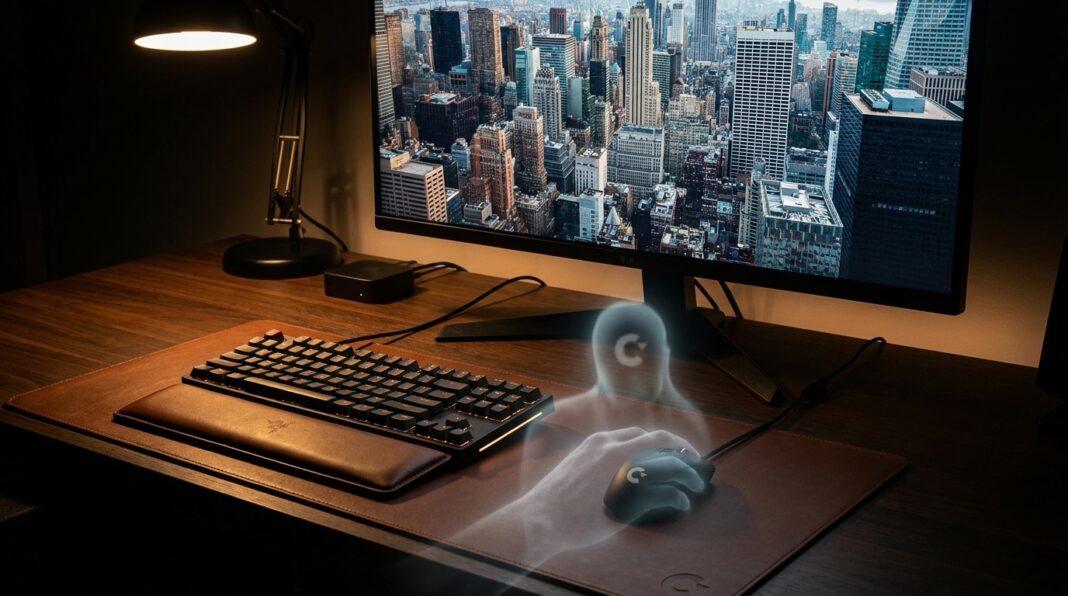
GPT-6 Astra includes a computer-use agent that controls a mouse and keyboard on a real desktop environment rather than returning a list of instructions for a human to execute. The model performs direct desktop interactions and can manipulate graphical user interfaces and applications through those inputs. This capability was described as the headline feature of the release and distinguishes Astra’s interaction model from prior text-only instruction approaches. Reports of Astra’s desktop actions were part of the documented feature set for the model.
GPT-6 Astra was described as “Turns out, Astra is extremely good in terms of visual understanding and spatial awareness.” One documented project generated Manhattan in Unreal Engine within a week and included a flythrough. A separate account said Astra recreated Apple Park in Blender from images, stated as, “In Blender, I had it recreate Apple Park from just images. It did an absurd job.” A remark about the city work said it was created “street by street to make each one perfect.”
Matt Shumer had Astra populate a survival world as another demonstration. An overnight run of that world produced voiced interactions between agents. The outcome was described in the quoted observation, “they’d started talking to each other.” These project descriptions appear in the reported accounts of the model.
The cited projects and verbatim remarks are included among the reported demonstrations of GPT-6 Astra’s visual and spatial capabilities. They combine 3D city generation, detailed reconstruction work, and agent-to-agent interactions. Quoted phrases accompany the examples in the coverage.
GPT-6 Astra was released and demonstrated a headline computer-use agent that can operate a mouse and keyboard on a real desktop and showed advanced visual and spatial capabilities in projects including a generated Manhattan in Unreal Engine, a Blender reconstruction of Apple Park, and a survival world populated with agents that produced voiced interactions. Reporting on the release also noted that Astra reached a critical cybersecurity rating and was able to find previously unknown software flaws and autonomously build working cyberattacks without human prompting.